
















How, when, and why to use lifting straps in weightlifting?

Lifting straps are a tool that should be part of every weightlifter’s, fitness athlete’s or strength athlete’s gym bag.

As already mentioned in the article about wrist wraps, the hands are stressed the most during weightlifting. Especially when you have a high training volume with lots of sets and repetitions, your grip strength is easily affected. With hang exercises or snatch pulls and clean pulls the strain is especially high. It often fails not because of leg strength, shoulders or back, but grip strength decreases or forearms become tight and cramp.

But the perceived goal for heavy pulls or hang exercises is not to increase the strength of your grip. To get rid of this limiting factor, weightlifters use lifting straps for those heavy loads and high repetitions.

Using straps lets you achieve higher training intensities and even the performance improves when your hands and forearms get relieved.

Weightlifters sometimes use them in training also for snatching. But you should remember that they are not allowed as a tool in competition, and there you need the necessary grip strength.

Furthermore, grip strength is a protective function of the body against overload. By using lifting straps this protective function is bypassed. With experienced weightlifters this is quite intentional, but with beginners this can also lead to problems.

MORE DESIGNS

It is not recommended for beginners to work with lifting straps, especially not in complex exercises like the snatch. Since the technical execution and also the habituation to the so-called hook grip are should be the priority, their use should be limited to snatch grip and clean grip pulls.

HOW ARE LIFTING STRAPS USED?

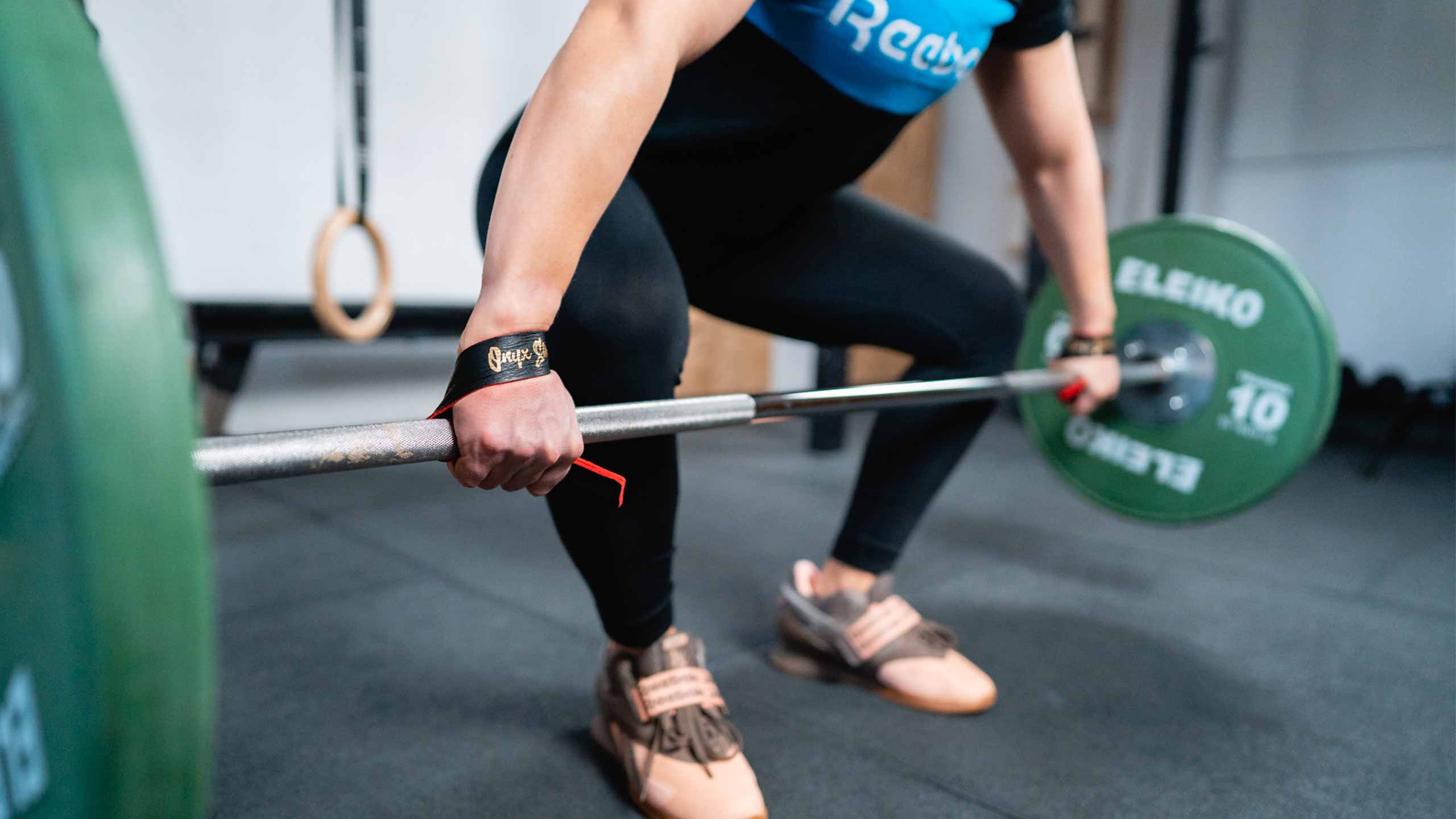
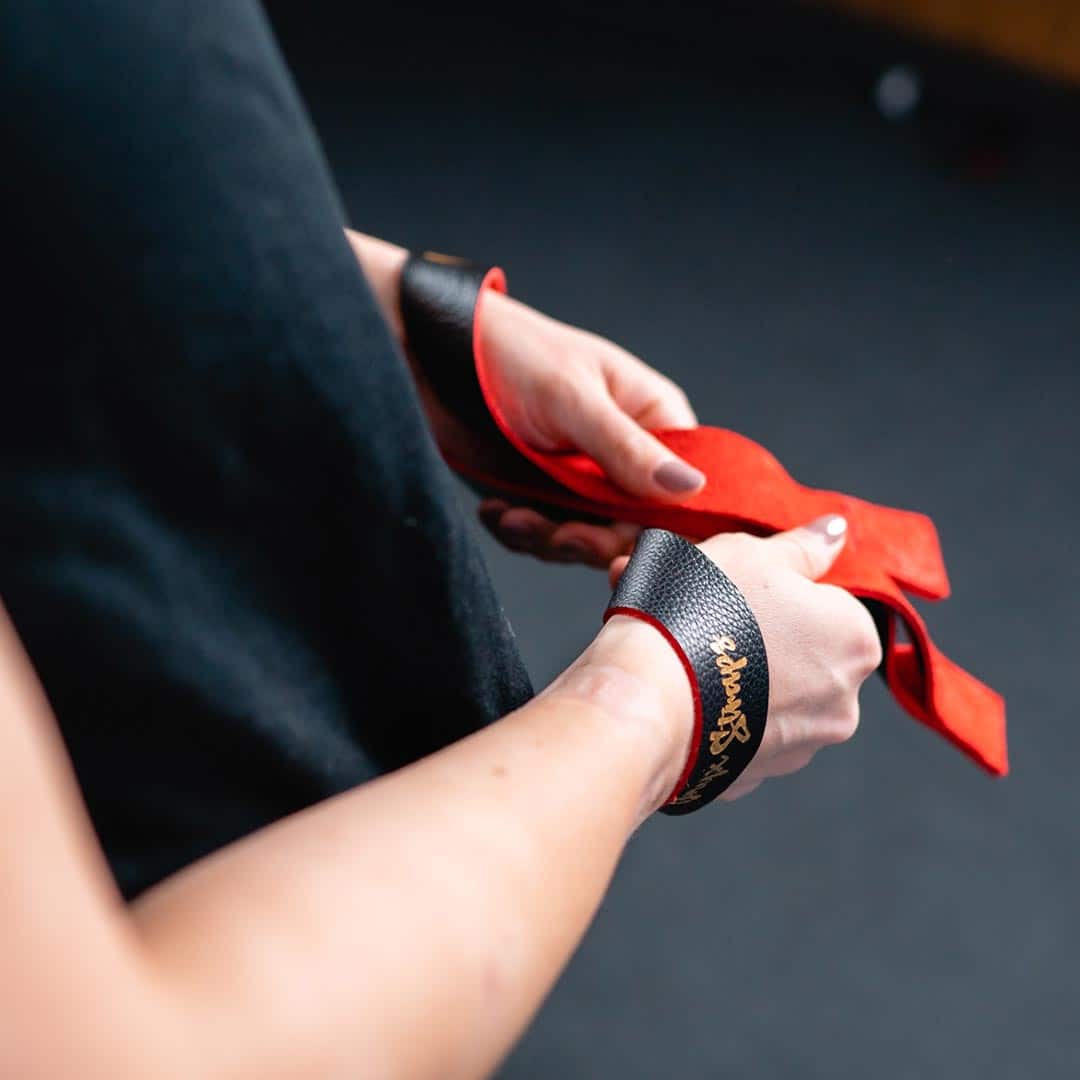
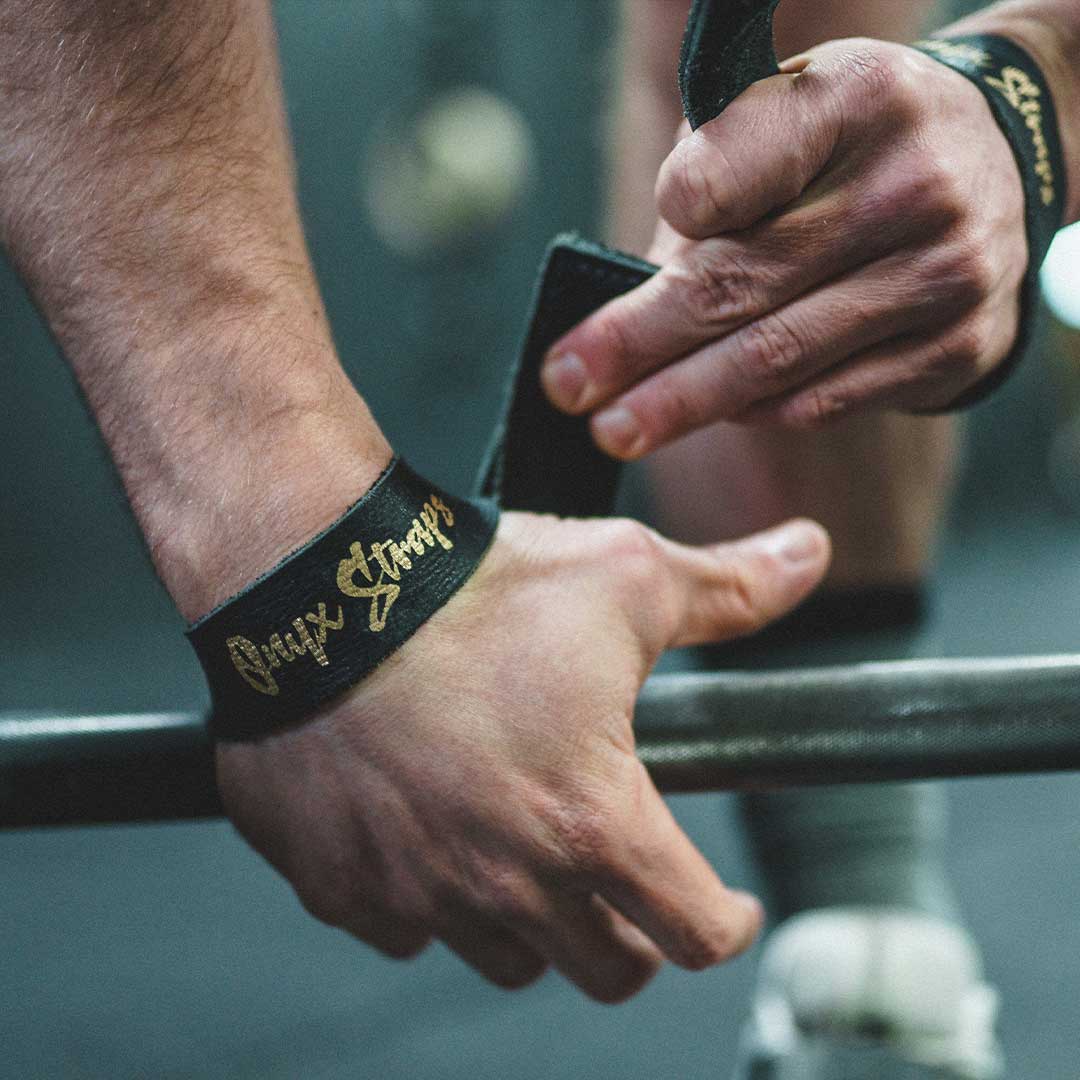
They’re quite simple to use, but you should follow a few basic tips. In weightlifting the speed of the barbell is significant, it should be possible to let the barbell go at any time with no hesitation. The straps must detach themselves easy and quick from the barbell to prevent accidents and injuries, especially at your wrists. Lifting straps are made as loops to pull them around the wrist.

The remaining material of nylon, leather or other fabric is then wrapped around the bar. To tighten the straps, you only have to rotate the barbell and you feel how the strap tightens up. The wrist is now connected to the barbell by the strap and a hook grip is no longer necessary.

HOW TO PUT THEM ON CORRECTLY? – TUTORIAL ON IGTV

LEATHER OR FABRIC? WHICH MATERIAL IS BEST?

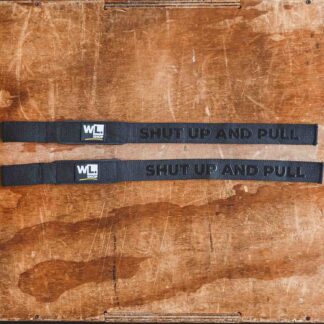
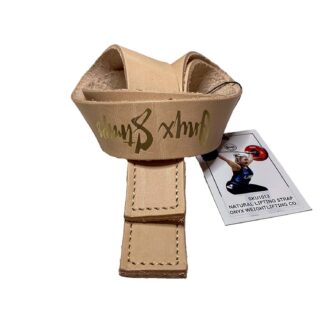
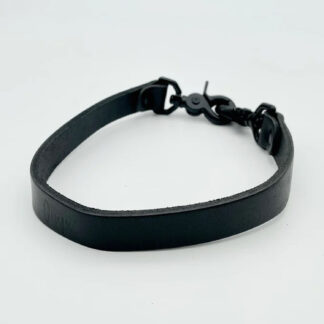
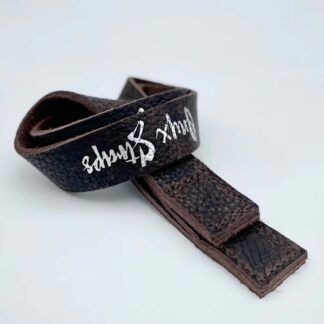
Lifting Straps come in all fabrics, sizes, and styles. Lifting straps made of leather are the most comfortable option, as they avoid chafing and calluses on the wrist that can occur with other materials. Another advantage of leather straps is their durability, because they last for several years. While the leather will stretch slightly with use, it will not fray due to the knurling of the barbell like other fabrics. Straps made of cotton or other non-leather materials can be broken after 6 to 12 months.

Since pulls are a necessary exercise of any weightlifter and are common in almost every training session, lifting straps are used often and intense. Therefore, they are part of the basic equipment of any weightlifter.

Facebook
Twitter
LinkedIn
Pinterest
Reddit
WhatsApp

MORE BLOG POSTS

Cookie Settings

Cookie information is stored in your browser and performs functions such as recognizing you when you return to our website and helping our team understand which sections of the website are most interesting and useful to you.

Essential Cookies

These cookies are necessary for the operation of the website and cannot be turned off. Such cookies are set only in response to actions you take, such as language, currency, shopping cart, login session, privacy settings. You can set your browser to block these cookies, but this may affect the functioning of our website.

Analytics and Statistics

These cookies allow us to count visits and traffic sources so that we can measure and improve the performance of our website. They help us answer questions about which pages are the most popular, which are the least used, and how visitors move around the site. All information collected by these cookies is aggregated and therefore anonymous. Keeping these cookies enabled helps us improve our website.

Marketing

These cookies are used for advertising displayed on third-party websites, including social media, and are tailored to your preferences. They help us measure the effectiveness of our advertising campaigns. If you disable these cookies, you will continue to see advertisements (including ours) when you browse the web that are not specifically tailored to your personal interests and are therefore less relevant.